
Income vs. Long-Term Appreciation: Which Matters More?

When it comes to investing, would you rather have money coming in today or focus on growing your wealth over the next five, 10, or 20 years? That answer largely depends on your financial goals, when you expect to need the money, and what you want your investments to accomplish. Investments that prioritize current income […]
Using AI to Analyze a Multifamily Investment?

The Questions Investors Should Be Asking If you’re like a lot of people, you’ve probably started using AI for things that once required a Google search, a spreadsheet, or a lot of time. It can summarize documents, explain complicated concepts, compare information, and even help you think through decisions—from home projects to holiday planning. It’s […]
Demand Continues to Catch Up as New Supply Slows

The multifamily market is moving toward a more balanced environment as new construction slows and renter demand catches up with supply. After several years of elevated deliveries, demand is now outpacing new supply across most major markets, creating a more favorable backdrop for existing properties. That shift is becoming clearer across BAM Capital’s core markets. […]
What Is an Equity Multiple in Real Estate?

There are a lot of terms to remember when you’re investing in multifamily real estate. One that’s particularly important to understand is equity multiple. If you’ve ever looked at a real estate investment offering and wondered what a “2.0x” or “2.5x” equity multiple actually means, you’re not alone. Equity multiple is one of the most […]
Complete Guide to Real Estate Credit Funds

You’ve built a diversified portfolio with stocks, bonds, and maybe multifamily equity for long-term appreciation. But what happens when you want current cash flow without dismantling your growth engine? Real estate credit funds fill that gap. Instead of buying property directly, you act as the lender—earning income from interest on real estate-backed loans. It lets […]
Passive Multifamily Real Estate Investing for Retirees: What to Know
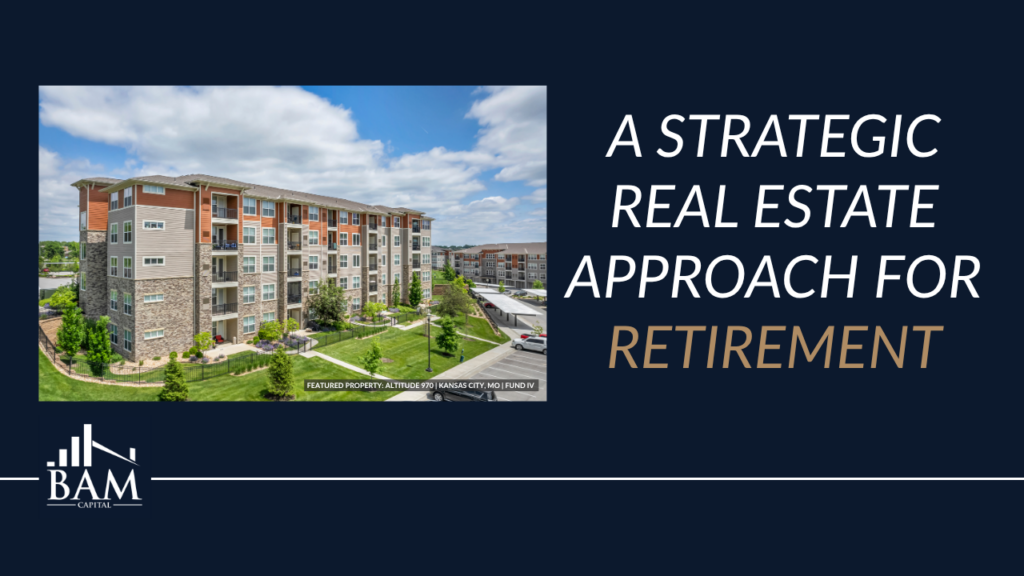
While retirement is traditionally a time when you stop earning a paycheck and start relying more heavily on your savings or income from investments, it doesn’t have to be the end of growing your wealth. For many, it’s simply a new chapter. Retirement can easily last 25 or 30 years. And with the cost of […]
Real Estate vs Stock Portfolio
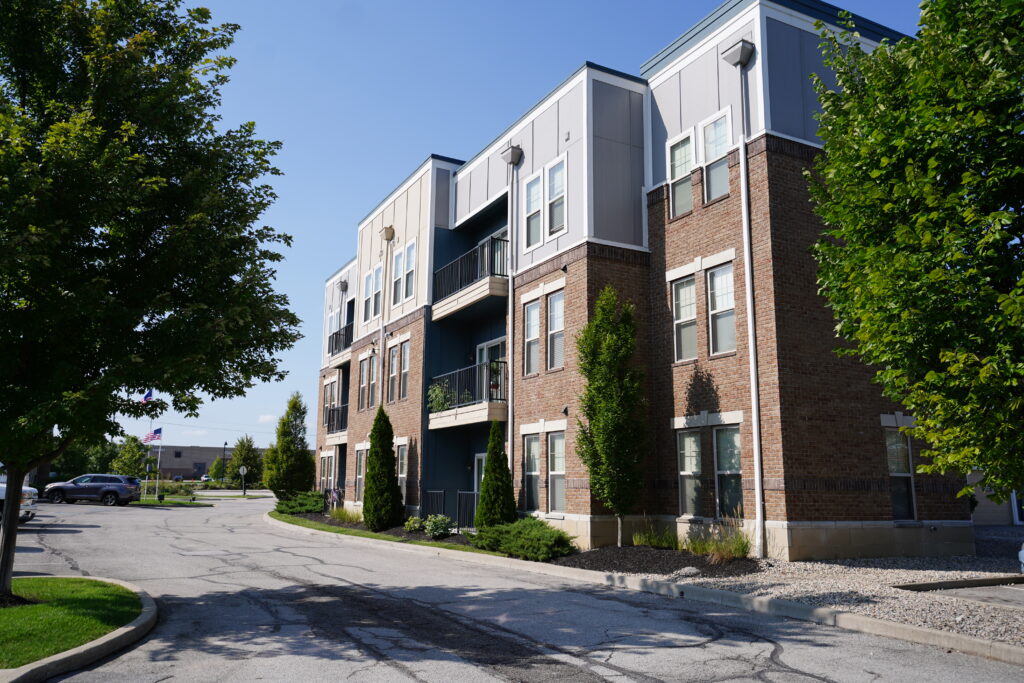
Real estate and stock portfolios are often compared as competing paths to long-term wealth. In practice, they operate very differently. Each asset class generates returns through distinct mechanisms, responds differently to market conditions, and plays a unique role within a portfolio. This guide breaks down how real estate and stock portfolios compare across returns, volatility, […]
Value-Add Real Estate: How Multifamily Operators Create Real ROI

Picture two similar apartment communities in the same market. One is managed well, but mostly stays the same. The other is managed with an eye toward continuous improvement—from updating units and common areas to strengthening day-to-day operations, retaining residents, and finding new ways to increase revenue. This is where value-add comes in. For multifamily operators […]
Demand Outpaces New Supply as Multifamily Markets Shift Toward Balance

The multifamily market is showing continued improvement as new construction slows and renter demand holds up. After two years of elevated deliveries, demand is increasingly outpacing new supply across several markets. The improvement is evident across BAM Capital’s core markets. Kansas City continues to stand out for strong demand and rent growth, while Indiana is […]
Passive Multifamily Investing for Business Owners

As a business owner, you’ve poured your heart and soul into your business. Maybe you built it from the ground up, or it’s a company that’s been passed down through generations. Either way, it represents years of work and sacrifice and plays a big role in both your livelihood and your wealth. For many business […]